

By Core Brake Parts Tech Team — Circleville, OH warehouse
Short answer: Every 2022-2024 Tundra (3rd-gen TNGA-F) runs 13.9-inch (354 mm) vented front rotors with 4-piston fixed aluminum calipers and 13.2-inch (335 mm) vented rear rotors with single-piston floating calipers, on DOT 3 fluid. Same brake hardware SR through TRD Pro. This guide walks through the exact diagnostic steps, replacement thresholds, product comparisons, and cost breakdown so you can decide with confidence whether to DIY or take it to a shop.
Direct experience note: we ship these parts daily from our Circleville, OH warehouse to customers across the country. The picks in this guide reflect what fits, what lasts, and what our repeat-buyer mechanics come back for.
The parts that fix this — verified to fit your Toyota Tundra
- 2022-2024 Tundra 2023-2024 Sequoia 4-Corner Brake Kit Coated Rotors Ceramic Pads - Power Stop CPK8932-23 — $321.99
- 2022-2024 Toyota Tundra 2023-2024 Sequoia 2022-2024 Lexus LX600 Front Premium Ceramic Brake Pads - Bendix SBC2442 — $70.99
- 2005-2023 Toyota Tacoma / 4Runner / Tundra Front Ceramic Brake Pads - Bendix — $50.99
Ships from our Circleville, OH warehouse. Free shipping over $75.
What to Know About 2022-2024 Toyota Tundra Brakes
Understanding 2022-2024 Toyota Tundra brakes matters because it directly affects stopping distance, brake pedal feel, and how often you replace consumables. Getting it right the first time saves both money and follow-up shop visits.
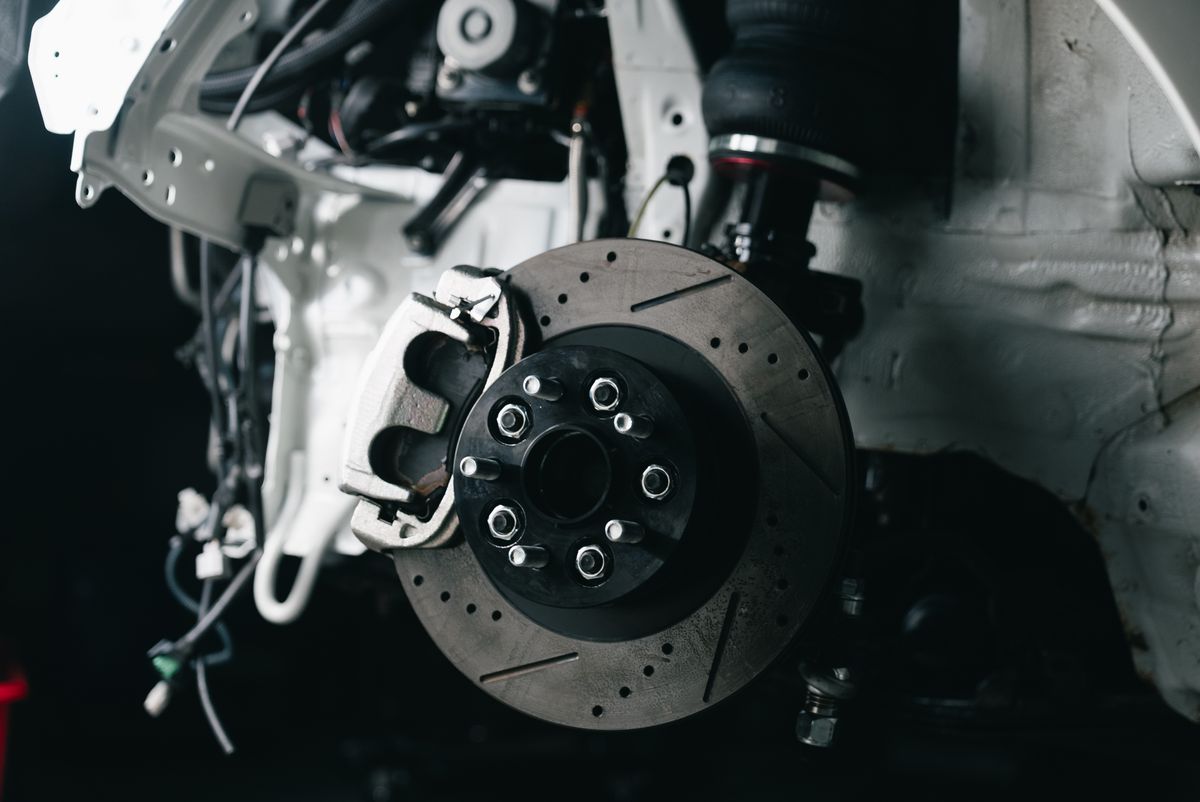
- Front brakes: 13.9 in (354 mm) vented rotors clamped by 4-piston fixed aluminum calipers, shared across every trim from base SR to TRD Pro and Capstone.
- Rear brakes: 13.2 in (335 mm) vented rotors with single-piston floating calipers and an integrated electronic parking brake (EPB) actuator.
- Factory fluid is DOT 3 (Genuine Toyota, FMVSS 116); DOT 4 is compatible and raises the dry boiling point from ~401F to ~446F for towing and mountain descents.
- Lug nuts: 97 ft-lb (131 Nm) on aluminum wheels, M14x1.5 thread, 22 mm socket; the steel spare torques higher at 154 ft-lb.
- Pad life typically runs 30,000-70,000 miles; heavy towing, hauling, and hilly driving push it toward the low end, so inspect around every 10,000 miles.
- Two brake-adjacent recalls exist: 2022 EPB skid-control ECU failsafe (rollaway risk) and 2022-2023 fuel-tube chafing against the brake line - check your VIN at NHTSA.
Spec Chart by Vehicle Class
| Vehicle class | Pad thickness | Rotor thickness |
|---|---|---|
| Front rotors | 13.9 in / 354 mm, vented | 4-piston fixed aluminum calipers on all trims |
| Rear rotors | 13.2 in / 335 mm, vented | Single-piston floating caliper plus electronic parking brake |
| Brake fluid | DOT 3 (DOT 4 compatible) | DOT 3 dry boil ~401F; step to DOT 4 ~446F for tow duty |
| Lug nut torque | 97 ft-lb / 131 Nm (alloy) | M14x1.5, 22 mm socket; steel spare 154 ft-lb |
| Pad life | ~30,000-70,000 mi | Towing and grades shorten it; inspect every ~10k |
How to Diagnose or Replace
- Loosen the six lug nuts a half-turn, lift the corner, and set the frame on a jack stand before pulling the wheel.
- Front (fixed caliper): unbolt the two caliper-to-knuckle bolts and lift the whole caliper straight off the rotor; support it with wire so it never hangs by the flex hose.
- Rear (floating caliper): remove the two slide-pin bolts, swing the caliper up off the pads, and slide the bracket off if you are replacing rotors.
- Before compressing any rear piston, put the EPB into maintenance/service mode (Techstream or the multi-info display procedure) - forcing the piston back with the actuator engaged can burn out the parking-brake motor.
- Retract pistons: spread the 4-piston fronts evenly with a pad-face spreader, and wind the rears back with the caliper tool; crack the bleeder if you do not want old fluid pushed back to the ABS unit.
- Clean the hub face, hang the new rotor, fit new pads with fresh shims and hardware, film the abutment clips with caliper grease, and torque caliper bolts to the service-manual value (verify the current FSM figure before reuse).
- Reinstall the wheel and torque the lug nuts in a star pattern to 97 ft-lb, then pump the pedal firm before the truck moves.
- Bed the pads: make 6-8 moderate 40-to-10 mph stops followed by a few harder ones without coming to a complete stop, laying an even transfer layer on the rotors.
Once diagnosis is complete, order the exact replacement parts for your vehicle - fitment matters. Related 2022-2024 Toyota Tundra brakes products are listed in the next section.
Recommended Parts and Where to Buy
Every product below is in stock at our Circleville, OH warehouse and ships same-day when ordered before 2 PM Eastern. Free shipping on orders over $75.
If your exact vehicle is not listed, use the site search or filter the full brake parts collection by year and make.
Cost Breakdown - DIY vs Shop
| Job | DIY parts only | Shop parts and labor |
|---|---|---|
| OE-grade pads (axle set) | $45-$120 | Ceramic for street, semi-metallic for towing |
| Rotors (pair) | $90-$260 | OE blank low end; slotted/coated higher |
| Front pads + rotors, DIY | $180-$450 | Parts only, one axle |
| Shop brake job (per axle) | $350-$700 | Parts plus labor; dealer runs higher |
DIY savings scale with vehicle size and job complexity. A full-size truck brake job saves $450-700 in labor. For most passenger cars, plan on 90-120 minutes per axle for pads only, 2-3 hours for pads plus rotors.
Install Tips - Where Most DIYers Go Wrong
- Put the rear electronic parking brake into service mode before touching the rear pistons. winding them back mechanically with the EPB active can destroy the actuator motor.
- Match pads to the 3rd-gen wear-sensor and shim hardware exactly; the electric brake-boost system seats poorly with mismatched pads and can feel grabby or noisy.
- Never eyeball rotors. measure against the minimum-thickness figure stamped on the rotor hat; below-spec or warped rotors are the usual cause of the steering-wheel shudder owners report under braking.
Key Takeaways
- Every 2022-2024 Tundra (3rd-gen TNGA-F) runs 13.9-inch (354 mm) vented front rotors with 4-piston fixed aluminum calipers and 13.2-inch (335 mm) vented rear rotors with single-piston floating calipers, on DOT 3 fluid. Same brake hardware SR through TRD Pro.
- Measure friction material and rotor thickness at every tire rotation - catches wear before it becomes damage.
- Replace pads at 3 mm; below 2 mm is unsafe.
- Loaded calipers (with brackets, pads, and hoses) save 1-1.5 hours of labor per side over bare calipers.
- Bed new pads properly with 8-10 medium stops from 40 to 10 mph.
- Free shipping on orders over $75; same-day shipping on in-stock orders before 2 PM Eastern.
0 comments