

By Core Brake Parts Tech Team — Circleville, OH warehouse
Short answer: A wheel speed sensor reads a toothed tone ring or magnetic encoder to report each wheel's speed to the ABS module. Passive types output AC voltage; active Hall or magnetoresistive types output a digital signal and read down to near-zero mph. This guide walks through the exact diagnostic steps, replacement thresholds, product comparisons, and cost breakdown so you can decide with confidence whether to DIY or take it to a shop.
Direct experience note: we ship these parts daily from our Circleville, OH warehouse to customers across the country. The picks in this guide reflect what fits, what lasts, and what our repeat-buyer mechanics come back for.
Need the part? Shop Brake Parts at Core Brake Parts
Filter by your exact year, make, and model — every part ships from our Circleville, OH warehouse, free over $75.
Shop Brake Parts →What to Know About Wheel Speed Sensor
Understanding wheel speed sensor matters because it directly affects stopping distance, brake pedal feel, and how often you replace consumables. Getting it right the first time saves both money and follow-up shop visits.
- Passive variable-reluctance sensors are two-wire, need no power, and output an AC voltage that grows with wheel speed.
- Active Hall-effect or magnetoresistive sensors are powered, read down to near-zero mph, and output a digital square-wave signal.
- Passive coil resistance typically measures around 800 to 2500 ohms; always confirm the factory value for your model.
- Tone rings, often 43 to 100-plus teeth, may be a pressed-on toothed ring or a magnetic encoder in the bearing seal.
- A failing sensor usually trips the ABS, traction-control, and stability lights together, since they share wheel-speed inputs.
- The air gap between sensor and tone ring is small, commonly 0.016 to 0.055 inch, and debris there causes faults.
Symptoms and What They Mean
| Symptom | Likely cause | Action |
|---|---|---|
| ABS and traction-control lights on | Open, shorted, or dirty wheel speed sensor | Scan for C-codes, then test the flagged wheel |
| ABS engages at low speed on normal stops | Damaged tone ring or wrong air gap | Inspect reluctor teeth and clear any debris |
| Erratic or dead speedometer | Failed sensor feeding the vehicle speed signal | Compare live wheel-speed data on a scan tool |
| Cruise, hill-hold, or stability control disabled | Loss of a valid wheel-speed signal | Check connector and harness for corrosion |
| Brake pedal pulses without real ABS need | False ABS activation from a noisy signal | Check sensor output and tone ring runout |
How to Diagnose or Replace
- Scan for stored C-codes, then watch live four-wheel-speed data while driving to spot the wheel that drops out.
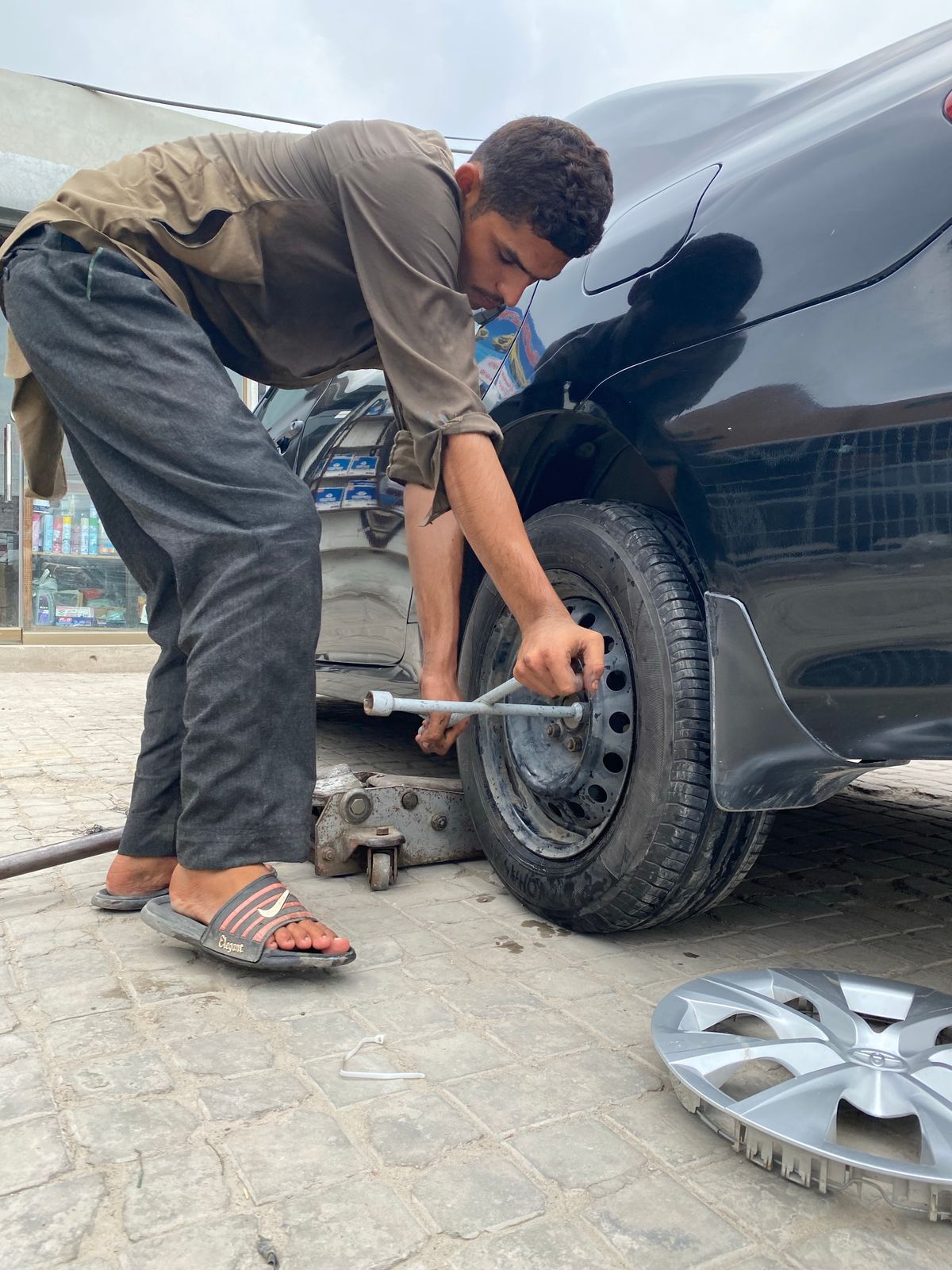
- Raise the vehicle, spin each wheel by hand, and confirm the sensor and tone ring are clean and undamaged.
- For a passive sensor, measure coil resistance with a multimeter; most read roughly 800 to 2500 ohms.
- Spin that wheel and watch for AC millivolts on the meter, proving the sensor still generates a signal.
- For an active sensor, back-probe the connector and confirm the module supplies reference voltage, usually near 5 or 12 volts.
- Inspect the connector and harness for corrosion or chafing, a common cause of intermittent ABS faults.
- Check the air gap and tone ring runout; typical gaps span about 0.016 to 0.055 inch.
Once diagnosis is complete, order the exact replacement parts for your vehicle - fitment matters. Related wheel speed sensor products are listed in the next section.
Recommended Parts and Where to Buy
Every product below is in stock at our Circleville, OH warehouse and ships same-day when ordered before 2 PM Eastern. Free shipping on orders over $75.
If your exact vehicle is not listed, use the site search or filter the full brake parts collection by year and make.
Cost Breakdown - DIY vs Shop
| Job | DIY parts only | Shop parts and labor |
|---|---|---|
| Aftermarket wheel speed sensor | $15 - $120 | Varies by fitment and passive vs active type |
| OEM wheel speed sensor | $60 - $200+ | Dealer part; integrated designs cost more |
| Tone ring / reluctor | $10 - $80 | Higher if pressed into a hub or CV joint |
| Shop labor, one sensor | $70 - $200 | Often a straightforward DIY job |
DIY savings scale with vehicle size and job complexity. A full-size truck brake job saves $450-700 in labor. For most passenger cars, plan on 90-120 minutes per axle for pads only, 2-3 hours for pads plus rotors.
Install Tips - Where Most DIYers Go Wrong
- Apply a thin film of dielectric grease to the connector, never oil, to keep moisture out and stop corrosion.
- Torque the mounting bolt to spec and seat the sensor fully so the air gap stays within factory range.
- Clean all rust and debris off the tone ring and mounting boss before fitting the new sensor.
Frequently Asked Questions
What's the short answer on wheel speed sensor?
A wheel speed sensor reads a toothed tone ring or magnetic encoder to report each wheel's speed to the ABS module. Passive types output AC voltage; active Hall or magnetoresistive types output a digital signal and read down to near-zero mph.
How much does it cost to fix?
It depends on your vehicle and how much you replace. For example, aftermarket wheel speed sensor runs about $15 - $120 in parts for a DIY job, or Varies by fitment and passive vs active type at a shop with labor included. The full cost breakdown is in the table above.
What are the warning signs?
Common warning signs include abs and traction-control lights on (open, shorted, or dirty wheel speed sensor); and abs engages at low speed on normal stops (damaged tone ring or wrong air gap). If you notice these, inspect the brakes promptly.
Can I do this job myself?
Many DIYers can with basic tools. The first steps are: Scan for stored C-codes, then watch live four-wheel-speed data while driving to spot the wheel that drops out; Raise the vehicle, spin each wheel by hand, and confirm the sensor and tone ring are clean and undamaged; For a passive sensor, measure coil resistance with a multimeter; most read roughly 800 to 2500 ohms. The complete step-by-step is above.
Key Takeaways
- A wheel speed sensor reads a toothed tone ring or magnetic encoder to report each wheel's speed to the ABS module. Passive types output AC voltage; active Hall or magnetoresistive types output a digital signal and read down to near-zero mph.
- Measure friction material and rotor thickness at every tire rotation - catches wear before it becomes damage.
- Replace pads at 3 mm; below 2 mm is unsafe.
- Loaded calipers (with brackets, pads, and hoses) save 1-1.5 hours of labor per side over bare calipers.
- Bed new pads properly with 8-10 medium stops from 40 to 10 mph.
- Free shipping on orders over $75; same-day shipping on in-stock orders before 2 PM Eastern.
0 comments