

By Core Brake Parts Tech Team — Circleville, OH warehouse
Short answer: Bare calipers include only the housing, piston, and seals. Semi-loaded adds the hardware but no pads. Loaded calipers arrive complete with bracket, hardware, and pads installed. For most DIY jobs buy loaded; buy bare only when reusing good brackets and pads. This guide walks through the exact diagnostic steps, replacement thresholds, product comparisons, and cost breakdown so you can decide with confidence whether to DIY or take it to a shop.
Direct experience note: we ship these parts daily from our Circleville, OH warehouse to customers across the country. The picks in this guide reflect what fits, what lasts, and what our repeat-buyer mechanics come back for.
Need the part? Shop Brake Calipers at Core Brake Parts
Filter by your exact year, make, and model — every part ships from our Circleville, OH warehouse, free over $75.
Shop Brake Calipers →What to Know About Loaded Vs Bare Caliper
Understanding loaded vs bare caliper matters because it directly affects stopping distance, brake pedal feel, and how often you replace consumables. Getting it right the first time saves both money and follow-up shop visits.
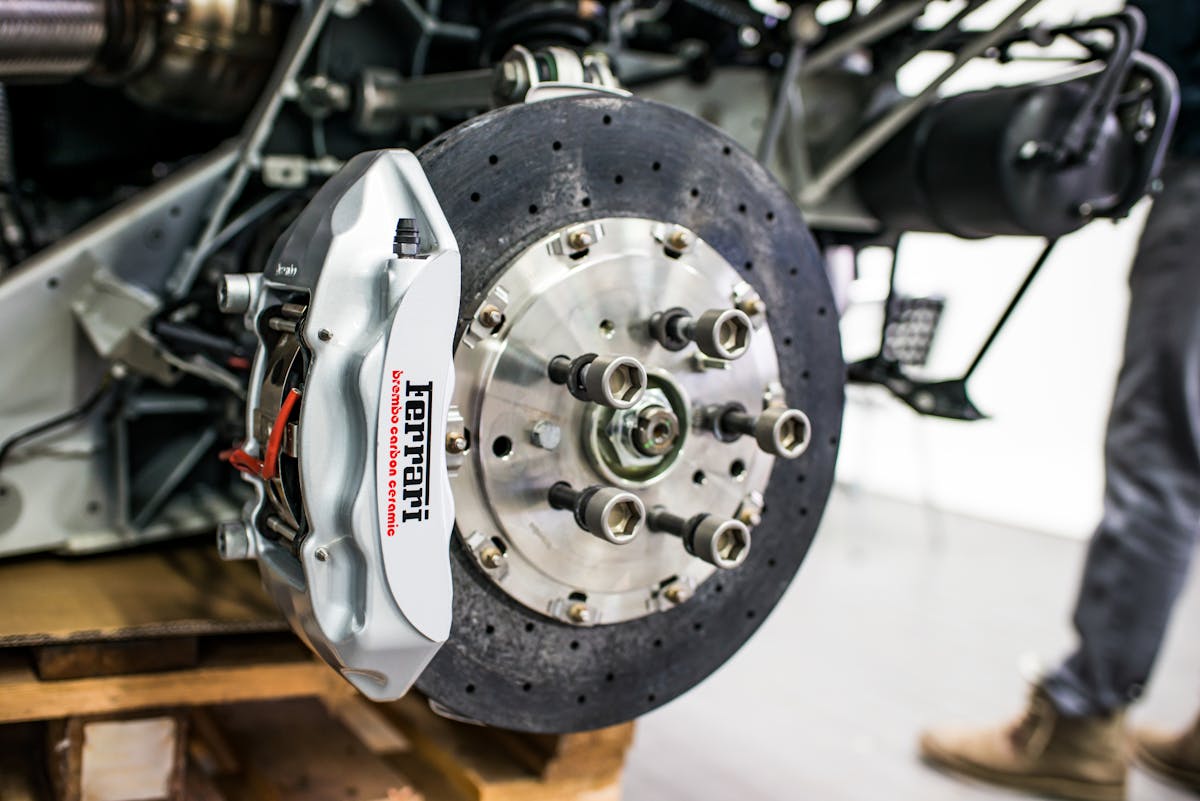
- Bare (unloaded) caliper = housing, piston, and seals only; no bracket, hardware, or brake pads.
- Semi-loaded adds the hardware kit (guide pins, boots, abutment clips) but still ships without pads.
- Loaded caliper is a complete unit: housing, piston, bracket, hardware, and pre-installed brake pads.
- Loaded units bolt on fastest and are the safest pick for most DIY brake jobs.
- Bare calipers cost the least but force you to reuse or separately buy bracket and pads.
- Always replace calipers in axle pairs so braking stays balanced and the car does not pull.
Spec Chart by Vehicle Class
| Vehicle class | Pad thickness | Rotor thickness |
|---|---|---|
| Caliper housing, piston, seals | Bare: included | Loaded: included |
| Mounting bracket / anchor | Bare: not included | Loaded: included |
| Guide pins, boots, clips (hardware) | Bare: not included | Loaded: included |
| Brake pads (set) | Bare: not included | Loaded: included |
| Ready to bolt on | Bare: no, add parts | Loaded: yes, complete |
How to Diagnose or Replace
- Inspect whether your old bracket and hardware are corrosion-free before choosing a cheaper bare caliper.
- Pick a loaded caliper for the fastest bolt-on job with fresh pads already installed.
- Choose semi-loaded when your pads are still good but the slide hardware is worn.
- Verify left versus right, since caliper and bleeder-screw positions are side-specific.
- Match the exact vehicle by year, engine, and brake size using the part lookup.
- Replace calipers in axle pairs to keep braking even and prevent pulling.
- Bleed the brakes fully after installation to purge all trapped air.
Once diagnosis is complete, order the exact replacement parts for your vehicle - fitment matters. Related loaded vs bare caliper products are listed in the next section.

Recommended Parts and Where to Buy
Every product below is in stock at our Circleville, OH warehouse and ships same-day when ordered before 2 PM Eastern. Free shipping on orders over $75.
If your exact vehicle is not listed, use the site search or filter the full brake parts collection by year and make.
Cost Breakdown - DIY vs Shop
| Job | DIY parts only | Shop parts and labor |
|---|---|---|
| Bare caliper (reman, each) | $25-$90 | Reuse bracket and pads |
| Semi-loaded caliper (each) | $45-$120 | Add your own pads |
| Loaded caliper (each) | $70-$200 | Bracket and pads included |
| Loaded pair plus shop labor | $300-$700 | Front axle, both sides |
DIY savings scale with vehicle size and job complexity. A full-size truck brake job saves $450-700 in labor. For most passenger cars, plan on 90-120 minutes per axle for pads only, 2-3 hours for pads plus rotors.
Install Tips - Where Most DIYers Go Wrong
- Lubricate guide pins with silicone brake grease so the caliper slides freely.
- Torque caliper and bracket bolts to factory spec to avoid seized slides.
- Gravity-bleed or bench-bleed the new caliper before topping off the reservoir.
Key Takeaways
- Bare calipers include only the housing, piston, and seals. Semi-loaded adds the hardware but no pads. Loaded calipers arrive complete with bracket, hardware, and pads installed. For most DIY jobs buy loaded; buy bare only when reusing good brackets and pads.
- Measure friction material and rotor thickness at every tire rotation - catches wear before it becomes damage.
- Replace pads at 3 mm; below 2 mm is unsafe.
- Loaded calipers (with brackets, pads, and hoses) save 1-1.5 hours of labor per side over bare calipers.
- Bed new pads properly with 8-10 medium stops from 40 to 10 mph.
- Free shipping on orders over $75; same-day shipping on in-stock orders before 2 PM Eastern.
0 comments