

By Core Brake Parts Tech Team — Circleville, OH warehouse
Short answer: Flush brake fluid every 2 to 3 years or 30,000 to 45,000 miles, regardless of mileage. Glycol-based DOT 3, 4, and 5.1 fluid is hygroscopic and absorbs water, which lowers its boiling point and corrodes brake parts. Always confirm the interval in your owner's manual. This guide walks through the exact diagnostic steps, replacement thresholds, product comparisons, and cost breakdown so you can decide with confidence whether to DIY or take it to a shop.
Direct experience note: we ship these parts daily from our Circleville, OH warehouse to customers across the country. The picks in this guide reflect what fits, what lasts, and what our repeat-buyer mechanics come back for.
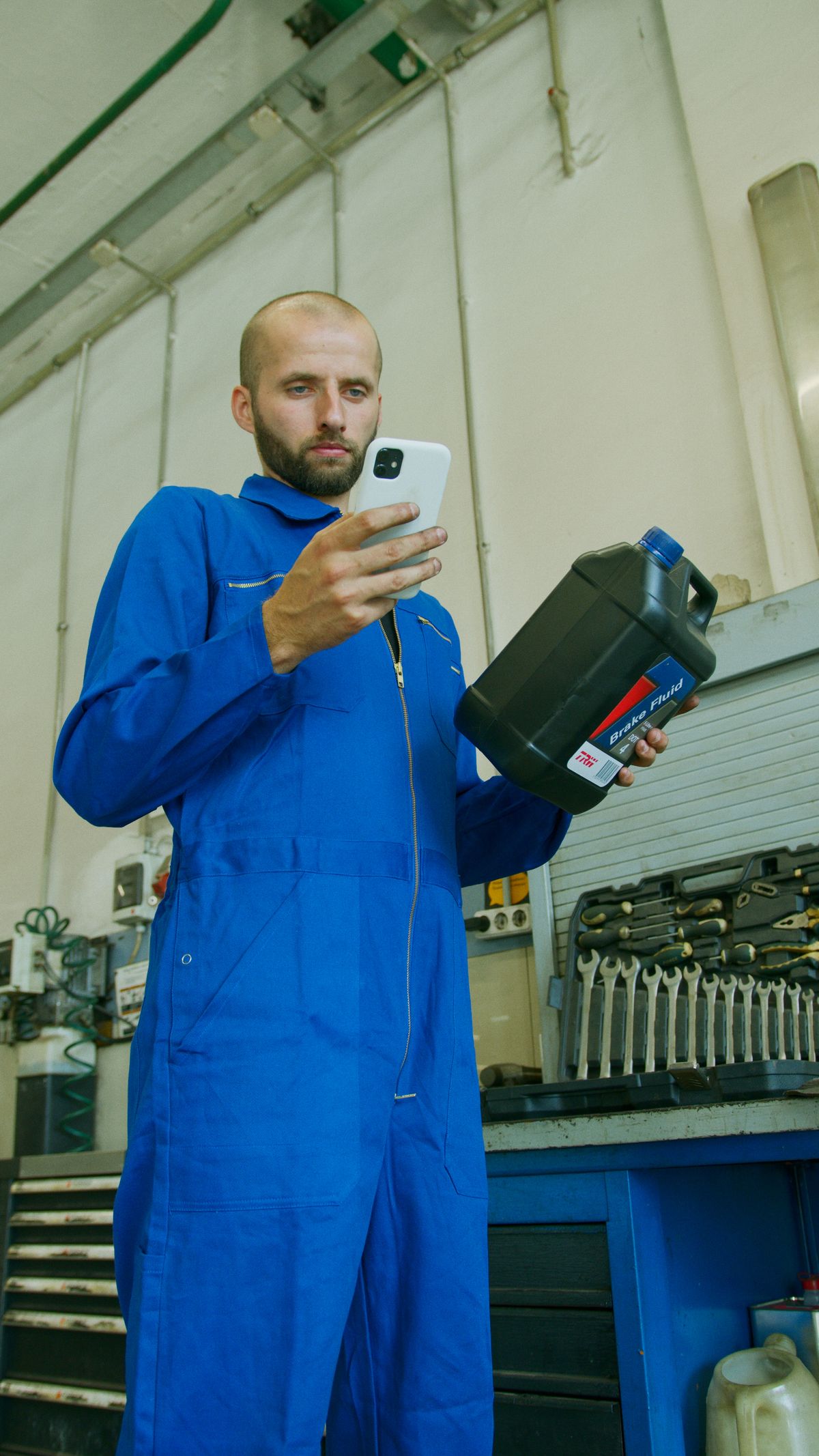
Need the part? Shop Brake Pads & Kits at Core Brake Parts
Filter by your exact year, make, and model — every part ships from our Circleville, OH warehouse, free over $75.
Shop Brake Pads & Kits →What to Know About Brake Fluid Flush Interval
Understanding brake fluid flush interval matters because it directly affects stopping distance, brake pedal feel, and how often you replace consumables. Getting it right the first time saves both money and follow-up shop visits.
- DOT 3, DOT 4, and DOT 5.1 fluids are glycol-based and hygroscopic, pulling moisture from the air through hoses, seals, and the reservoir.
- Most automakers specify a flush every 2 to 3 years; some European makes and Mercedes call for 2 years or 20,000 miles.
- Under FMVSS 116, the wet boiling point is measured at 3.7 percent water content by volume, which fluid can reach within a few years.
- Water absorption drops DOT 4's boiling point from about 446F dry to roughly 311F wet, risking brake fade and a spongy pedal.
- DOT 5 is silicone-based and hydrophobic, so it does not absorb water, but it is not approved for most ABS-equipped vehicles.
- Absorbed moisture corrodes calipers, wheel cylinders, the master cylinder, and the ABS modulator, whose repair is far costlier than a flush.
Spec Chart by Vehicle Class
| Vehicle class | Pad thickness | Rotor thickness |
|---|---|---|
| DOT 3 | 401F dry / 284F wet | Glycol, hygroscopic, ~2 yr life |
| DOT 4 | 446F dry / 311F wet | Glycol, hygroscopic, 2-3 yr life |
| DOT 5.1 | 500F dry / 356F wet | Glycol, hygroscopic, performance use |
| DOT 5 | 500F dry / 356F wet | Silicone, not for most ABS |
| Flush trigger | Over 3% water content | Test with strip or refractometer |
How to Diagnose or Replace
- Check your owner's manual for the factory flush interval, typically two to three years regardless of mileage.
- Confirm the correct fluid type, usually DOT 3 or DOT 4, stamped on the reservoir cap.
- Test the old fluid with a moisture strip or refractometer, and flush if water exceeds three percent.
- Raise the vehicle, remove all four wheels, and locate each caliper or wheel-cylinder bleeder screw.
- Top off the master cylinder reservoir with fresh sealed fluid, keeping it filled throughout the entire process.
- Bleed each corner, starting farthest from the master cylinder, until clean clear fluid runs out.
- Retighten every bleeder, refill to the max line, and test pedal firmness before driving.
Once diagnosis is complete, order the exact replacement parts for your vehicle - fitment matters. Related brake fluid flush interval products are listed in the next section.
Recommended Parts and Where to Buy
Every product below is in stock at our Circleville, OH warehouse and ships same-day when ordered before 2 PM Eastern. Free shipping on orders over $75.
If your exact vehicle is not listed, use the site search or filter the full brake parts collection by year and make.
Cost Breakdown - DIY vs Shop
| Job | DIY parts only | Shop parts and labor |
|---|---|---|
| DIY fluid and tools | $15 - $40 | Fluid plus a hand bleeder kit |
| Shop flush service | $80 - $150 | Most cars, standard glycol fluid |
| Power/pressure bleed | $100 - $200 | Faster, thorough fluid exchange |
| ABS module bleed | $150 - $300 | Scan tool cycles the ABS unit |
DIY savings scale with vehicle size and job complexity. A full-size truck brake job saves $450-700 in labor. For most passenger cars, plan on 90-120 minutes per axle for pads only, 2-3 hours for pads plus rotors.
Install Tips - Where Most DIYers Go Wrong
- Never top off with old or open fluid; use only a fresh sealed container matching the DOT spec on the cap.
- Keep the reservoir above the minimum line while bleeding so no air is drawn into the ABS unit.
- Wipe spills immediately, since brake fluid strips paint and absorbs moisture the moment the bottle is opened.
Frequently Asked Questions
What's the short answer on brake fluid flush interval?
Flush brake fluid every 2 to 3 years or 30,000 to 45,000 miles, regardless of mileage. Glycol-based DOT 3, 4, and 5.1 fluid is hygroscopic and absorbs water, which lowers its boiling point and corrodes brake parts. Always confirm the interval in your owner's manual.
How much does brake fluid flush interval cost?
It depends on your vehicle and how much you replace. For example, diy fluid and tools runs about $15 - $40 in parts for a DIY job, or Fluid plus a hand bleeder kit at a shop with labor included. The full cost breakdown is in the table above.
What should I check first?
Key things to check: DOT 3, DOT 4, and DOT 5.1 fluids are glycol-based and hygroscopic, pulling moisture from the air through hoses, seals, and the reservoir; Most automakers specify a flush every 2 to 3 years; some European makes and Mercedes call for 2 years or 20,000 miles.
Can I do this job myself?
Many DIYers can with basic tools. The first steps are: Check your owner's manual for the factory flush interval, typically two to three years regardless of mileage; Confirm the correct fluid type, usually DOT 3 or DOT 4, stamped on the reservoir cap; Test the old fluid with a moisture strip or refractometer, and flush if water exceeds three percent. The complete step-by-step is above.
Key Takeaways
- Flush brake fluid every 2 to 3 years or 30,000 to 45,000 miles, regardless of mileage. Glycol-based DOT 3, 4, and 5.1 fluid is hygroscopic and absorbs water, which lowers its boiling point and corrodes brake parts. Always confirm the interval in your owner's manual.
- Measure friction material and rotor thickness at every tire rotation - catches wear before it becomes damage.
- Replace pads at 3 mm; below 2 mm is unsafe.
- Loaded calipers (with brackets, pads, and hoses) save 1-1.5 hours of labor per side over bare calipers.
- Bed new pads properly with 8-10 medium stops from 40 to 10 mph.
- Free shipping on orders over $75; same-day shipping on in-stock orders before 2 PM Eastern.
0 comments