

By Core Brake Parts Tech Team — Circleville, OH warehouse
Short answer: Front pads and rotors on a 2019-present GMC Sierra 1500 (T1XX platform, shared with Silverado 1500) run about $150-$350 in DIY parts or $350-$600 at a shop. Fronts use roughly 13.0 in vented rotors; lug nuts torque to 140 lb-ft. This guide walks through the exact diagnostic steps, replacement thresholds, product comparisons, and cost breakdown so you can decide with confidence whether to DIY or take it to a shop.
Direct experience note: we ship these parts daily from our Circleville, OH warehouse to customers across the country. The picks in this guide reflect what fits, what lasts, and what our repeat-buyer mechanics come back for.
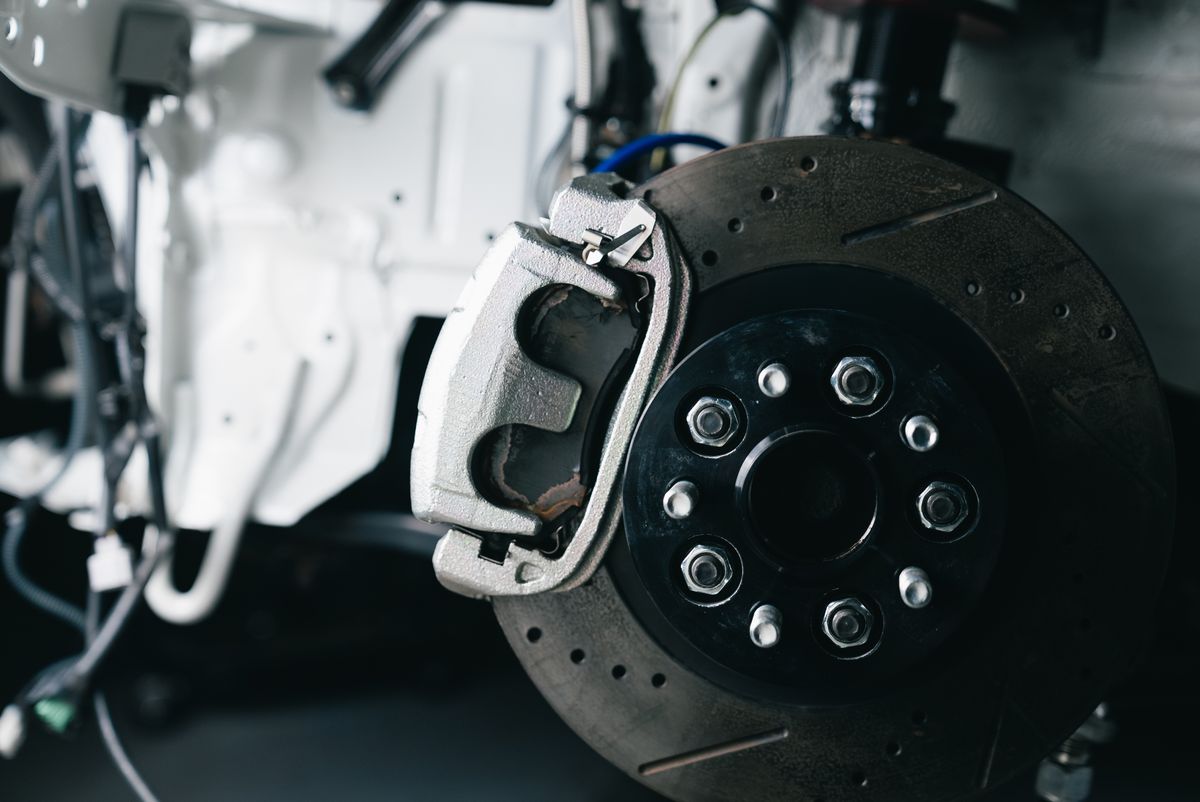
The parts that fix this — verified to fit your GMC Sierra 1500
- 2019-2023 Silverado 1500 Sierra 1500 Tahoe Suburban Yukon Escalade Front Brake Kit - Max Advanced Brakes Carbon Ceramic — $223.99
- 2007-2019 Silverado 1500 Sierra 1500 Escalade Tahoe Front Truck and Tow Brake Pads - Power Stop Z36-1363 Carbon Fiber Ceramic — $92.99
- 2014-2020 Chevrolet Silverado / GMC Sierra 1500 Rear Ceramic Brake Pads - Power Stop — $79.99
Ships from our Circleville, OH warehouse. Free shipping over $75.
What to Know About Gmc Sierra 1500 Brake Replacement
Understanding GMC Sierra 1500 brake replacement matters because it directly affects stopping distance, brake pedal feel, and how often you replace consumables. Getting it right the first time saves both money and follow-up shop visits.
- The 2019-present Sierra 1500 (T1XX platform) shares its brake hardware with the Chevrolet Silverado 1500; four-wheel disc brakes with an electric parking brake are standard.
- Front rotors are roughly 13.0 in (330 mm) vented; rears about 13.6 in (345 mm) solid. A dealer Brembo 6-piston front upgrade exists but is not factory-standard.
- Pads typically last 30,000-70,000 miles; the fronts do most of the braking and wear out first, especially with towing or stop-and-go driving.
- Rotors often survive two pad sets if they are not scored, grooved, or worn below the minimum thickness stamped on the rotor hat.
- Factory fill is DOT 3 brake fluid; flush every 3 years or about 45,000 miles. DOT 3 dry boiling point is roughly 401 F (205 C); a DOT 4 upgrade raises it to about 446 F (230 C) for towing.
- Lug nuts torque to 140 lb-ft (190 Nm); front caliper bracket bolts run about 129-148 lb-ft, guide pins lower. Verify the exact value by brake code and model year.
Spec Chart by Vehicle Class
| Vehicle class | Pad thickness | Rotor thickness |
|---|---|---|
| Front rotor | About 13.0 in (330 mm), vented | Up to 13.5 in on some trims; shared with Silverado 1500 (T1XX) |
| Rear rotor | About 13.6 in (345 mm), solid | Four-wheel disc with electric parking brake, 2019-present |
| Pad life (front) | 30,000-70,000 miles | Fronts wear first; towing and city driving shorten it |
| Lug nut torque | 140 lb-ft (190 Nm) | 6-lug wheels; star pattern, re-torque after ~100 miles |
| Caliper bracket bolts | About 129-148 lb-ft front (175-200 Nm) | Guide pins lower (~46-74 lb-ft); confirm by brake code |
How to Diagnose or Replace
- Chock the rear wheels, loosen the front lug nuts, raise the truck, support it on jack stands, and remove the front wheels.
- Remove the two caliper guide-pin bolts, slide the caliper off the rotor, and hang it from the coil spring with wire so the flex hose bears no weight.
- Unbolt the two caliper bracket (mounting) bolts and lift the bracket off; expect red thread-locker on the threads.
- Remove the old pads, then slide the rotor off. If it is rust-seized, thread two bolts into the rotor's jacking holes to push it free.
- Clean the hub face down to bare metal, mount the new rotor, and apply a thin film of anti-seize to the hub only, never the friction surface.
- Compress the caliper piston with a C-clamp or piston tool, install new pads and clips, reinstall the bracket with fresh thread-locker, and torque all fasteners to spec.
- Reinstall the wheels, torque the lug nuts to 140 lb-ft in a star pattern, then pump the brake pedal firmly until it is hard before moving the truck.
- Bed the new pads with 8-10 moderate stops from about 40 mph, allowing cooling between stops, to lay down an even friction transfer layer.
Once diagnosis is complete, order the exact replacement parts for your vehicle - fitment matters. Related GMC Sierra 1500 brake replacement products are listed in the next section.

Recommended Parts and Where to Buy
Every product below is in stock at our Circleville, OH warehouse and ships same-day when ordered before 2 PM Eastern. Free shipping on orders over $75.
If your exact vehicle is not listed, use the site search or filter the full brake parts collection by year and make.
Cost Breakdown - DIY vs Shop
| Job | DIY parts only | Shop parts and labor |
|---|---|---|
| DIY front pads + rotors (parts) | $150-$350 | Economy versus premium coated rotors and ceramic pads |
| Shop front brake job (pads + rotors) | $350-$600 per axle | About 1.0-1.5 hours labor plus parts |
| Pads only (shop, per axle) | $150-$300 | If rotors still measure within spec |
| Brake fluid flush | $100-$150 | DOT 3; every 3 years or ~45,000 miles |
DIY savings scale with vehicle size and job complexity. A full-size truck brake job saves $450-700 in labor. For most passenger cars, plan on 90-120 minutes per axle for pads only, 2-3 hours for pads plus rotors.
Install Tips - Where Most DIYers Go Wrong
- Always fit new abutment and anti-rattle clips and lube the guide pins with silicone brake grease. Dry or gummed pins cause uneven pad wear and brake pull.
- Retract the caliper piston slowly and crack the bleeder while pushing so you do not force old, contaminated fluid back into the ABS module.
- Torque lug nuts to 140 lb-ft in a star pattern and re-torque after about 100 miles. Over-torquing or uneven torque warps the new rotors.
Key Takeaways
- Front pads and rotors on a 2019-present GMC Sierra 1500 (T1XX platform, shared with Silverado 1500) run about $150-$350 in DIY parts or $350-$600 at a shop. Fronts use roughly 13.0 in vented rotors; lug nuts torque to 140 lb-ft.
- Measure friction material and rotor thickness at every tire rotation - catches wear before it becomes damage.
- Replace pads at 3 mm; below 2 mm is unsafe.
- Loaded calipers (with brackets, pads, and hoses) save 1-1.5 hours of labor per side over bare calipers.
- Bed new pads properly with 8-10 medium stops from 40 to 10 mph.
- Free shipping on orders over $75; same-day shipping on in-stock orders before 2 PM Eastern.
0 comments