

By Core Brake Parts Tech Team — Circleville, OH warehouse
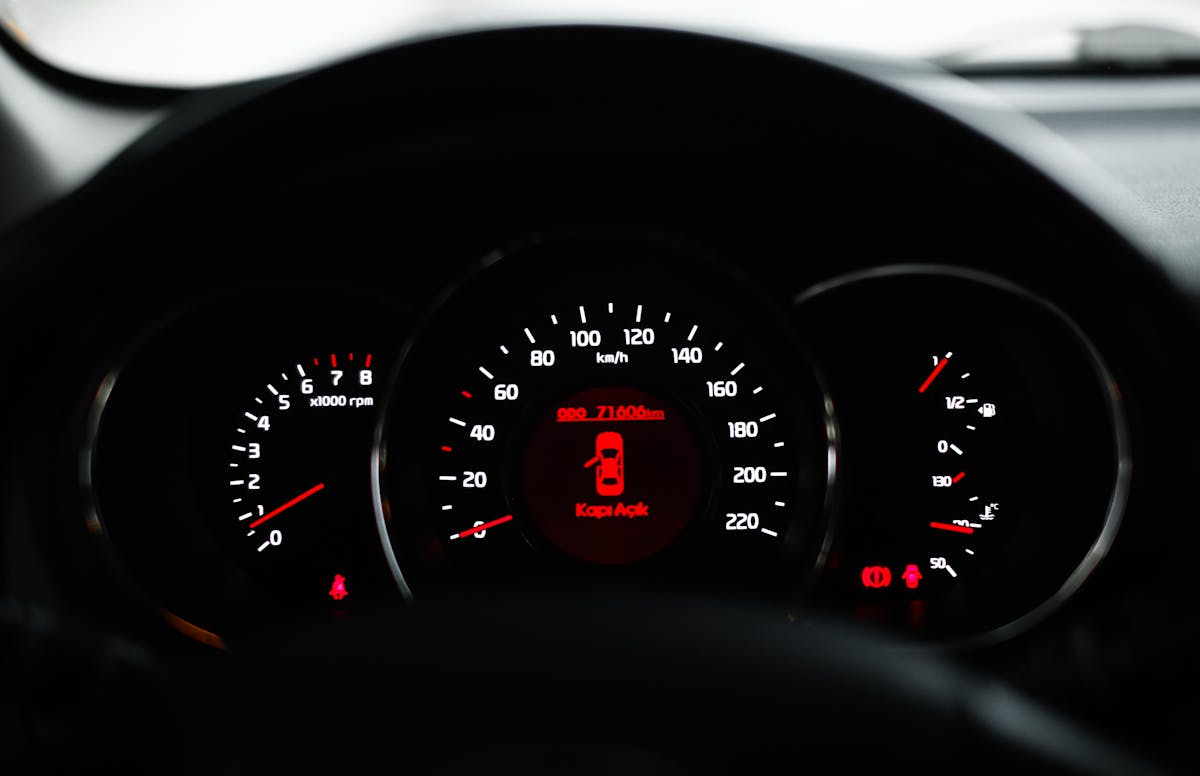
Short answer: A red BRAKE light warns of low fluid, an engaged parking brake, or hydraulic failure - treat it as urgent. An amber ABS light means anti-lock is disabled, but your standard brakes still stop the car. This guide walks through the exact diagnostic steps, replacement thresholds, product comparisons, and cost breakdown so you can decide with confidence whether to DIY or take it to a shop.
Direct experience note: we ship these parts daily from our Circleville, OH warehouse to customers across the country. The picks in this guide reflect what fits, what lasts, and what our repeat-buyer mechanics come back for.
Need the part? Shop Brake Pads & Kits at Core Brake Parts
Filter by your exact year, make, and model — every part ships from our Circleville, OH warehouse, free over $75.
Shop Brake Pads & Kits →What to Know About Brake Warning Light
Understanding brake warning light matters because it directly affects stopping distance, brake pedal feel, and how often you replace consumables. Getting it right the first time saves both money and follow-up shop visits.
- Red brake lights signal urgent hydraulic or fluid problems; amber ABS lights signal a disabled anti-lock system while base brakes still work.
- The red symbol is usually a circle with an exclamation point, or the word BRAKE, depending on the manufacturer.
- A brief illumination at startup is a normal bulb check; a light that stays on or returns is not.
- Low brake fluid often means worn pads or a leak, and a leak can cause partial or total loss of braking.
- ABS faults store a diagnostic trouble code (DTC) that an OBD-II scanner can read.
- Both lights lit together can mean electronic brake-force distribution is offline, reducing panic-stop stability.
Spec Chart by Vehicle Class
| Vehicle class | Pad thickness | Rotor thickness |
|---|---|---|
| Compact sedan | 10-12 mm new / 3 mm replace | 22-25 mm rotor |
| Mid-size sedan | 10-12 mm new / 3 mm replace | 25-28 mm rotor |
| Full-size truck front | 11-14 mm new / 3 mm replace | 28-32 mm rotor |
| SUV rear (many) | 9-11 mm new / 3 mm replace | 10-14 mm rotor |
How to Diagnose or Replace
- Note the color: red means urgent, amber means a system fault with brakes still functioning.
- Confirm the parking brake is fully released before assuming a deeper fault.
- Check the brake fluid reservoir level against the MIN and MAX marks.
- Top up only with the fluid type printed on the reservoir cap, usually DOT 3 or DOT 4.
- If the pedal feels soft or sinks, stop driving and arrange a tow.
- Scan stored trouble codes with an OBD-II reader to pinpoint an ABS fault.
- Have a technician inspect pads, lines, sensors, and the master cylinder if the light stays on.
Once diagnosis is complete, order the exact replacement parts for your vehicle - fitment matters. Related brake warning light products are listed in the next section.

Recommended Parts and Where to Buy
Every product below is in stock at our Circleville, OH warehouse and ships same-day when ordered before 2 PM Eastern. Free shipping on orders over $75.
If your exact vehicle is not listed, use the site search or filter the full brake parts collection by year and make.
Cost Breakdown - DIY vs Shop
| Job | DIY parts only | Shop parts and labor |
|---|---|---|
| Brake fluid top-off or flush | $10-$150 | DIY top-off is cheap; a full shop flush costs more |
| Wheel-speed (ABS) sensor | $100-$400 | Part plus labor, varies by wheel and access |
| Brake pad replacement per axle | $150-$350 | Rotors add cost if scored below minimum spec |
| ABS control module | $400-$1,200 | Most expensive fix; often requires programming |
DIY savings scale with vehicle size and job complexity. A full-size truck brake job saves $450-700 in labor. For most passenger cars, plan on 90-120 minutes per axle for pads only, 2-3 hours for pads plus rotors.
Install Tips - Where Most DIYers Go Wrong
- Verify lug count and rotor type (vented vs solid) for your exact trim before ordering parts, since specs vary by model and year.
- Bleed the brakes and cycle the ABS with a scan tool after opening any hydraulic line to remove trapped air.
- Confirm parking-brake type (cable drum-in-hat vs electronic) before service, because electronic units need a scan tool to retract.
Frequently Asked Questions
What's the short answer on brake warning light?
A red BRAKE light warns of low fluid, an engaged parking brake, or hydraulic failure - treat it as urgent. An amber ABS light means anti-lock is disabled, but your standard brakes still stop the car.
How much does it cost to fix?
It depends on your vehicle and how much you replace. For example, brake fluid top-off or flush runs about $10-$150 in parts for a DIY job, or DIY top-off is cheap; a full shop flush costs more at a shop with labor included. The full cost breakdown is in the table above.
What are the warning signs?
Common warning signs include red brake light steady (low fluid, engaged parking brake, or hydraulic fault); and amber abs light steady (anti-lock fault; base brakes still function). If you notice these, inspect the brakes promptly.
Can I do this job myself?
Many DIYers can with basic tools. The first steps are: Note the color: red means urgent, amber means a system fault with brakes still functioning; Confirm the parking brake is fully released before assuming a deeper fault; Check the brake fluid reservoir level against the MIN and MAX marks. The complete step-by-step is above.
Key Takeaways
- A red BRAKE light warns of low fluid, an engaged parking brake, or hydraulic failure - treat it as urgent. An amber ABS light means anti-lock is disabled, but your standard brakes still stop the car.
- Measure friction material and rotor thickness at every tire rotation - catches wear before it becomes damage.
- Replace pads at 3 mm; below 2 mm is unsafe.
- Loaded calipers (with brackets, pads, and hoses) save 1-1.5 hours of labor per side over bare calipers.
- Bed new pads properly with 8-10 medium stops from 40 to 10 mph.
- Free shipping on orders over $75; same-day shipping on in-stock orders before 2 PM Eastern.
0 comments