

By Core Brake Parts Tech Team — Circleville, OH warehouse
Short answer: Modern Audi A4 sedans use 5 lug bolts (5x112), vented front rotors, and usually solid rear rotors; 2009-and-newer models add an electronic parking brake that needs service-mode retraction before any rear pad change. This guide walks through the exact diagnostic steps, replacement thresholds, product comparisons, and cost breakdown so you can decide with confidence whether to DIY or take it to a shop.
Direct experience note: we ship these parts daily from our Circleville, OH warehouse to customers across the country. The picks in this guide reflect what fits, what lasts, and what our repeat-buyer mechanics come back for.
The parts that fix this — verified to fit your Audi A4
- 2009-2017 Audi A4 / A5 / Q5 Front Ceramic Brake Pads - Bosch — $93.99
- 2009-2016 Audi A4 Front Ceramic Brake Pads - Bendix — $68.99
- 2009-2017 Audi A4 / A5 / Q5 Front Ceramic Brake Pads - Bendix — $60.99
Ships from our Circleville, OH warehouse. Free shipping over $75.
What to Know About Audi A4 Brake Replacement
Understanding Audi A4 brake replacement matters because it directly affects stopping distance, brake pedal feel, and how often you replace consumables. Getting it right the first time saves both money and follow-up shop visits.
- Audi uses lug BOLTS, not nuts: 5 bolts per wheel in a 5x112 pattern, torqued to roughly 88 lb-ft (120 Nm).
- Front rotors are ventilated on every A4 trim; rear rotors are usually solid on the base A4 but vented on S4 and some higher-output trims.
- 2009-and-newer A4 (B8/B9) use an electronic parking brake, so retract the rear caliper motors via VCDS or dash service mode before pad service.
- 2002-2008 A4 (B6/B7) use a conventional cable-operated hand-lever parking brake, needing no electronic retraction.
- An electronic wear sensor (a wire loop molded into the pad) grounds when worn and triggers the dash warning; replace it whenever pads are changed.
- New pad friction material is roughly 12 mm thick with a wear limit near 2 mm, and each rotor's minimum thickness is stamped on the hub.
Spec Chart by Vehicle Class
| Vehicle class | Pad thickness | Rotor thickness |
|---|---|---|
| Lug bolts | 5 x 112mm, ~88 lb-ft (120 Nm) | Bolts not nuts; 17mm head on most trims |
| Front rotors | Vented, ~312-320mm | Ventilated across all A4 trims |
| Rear rotors | Usually solid, ~300mm | Vented on S4 and some higher-output trims |
| Parking brake | Electronic (2009+) or cable (2002-08) | EPB needs service-mode retraction first |
| Pad wear sensor | Electronic wire-loop, front axle | Replace the sensor with worn pads |
How to Diagnose or Replace
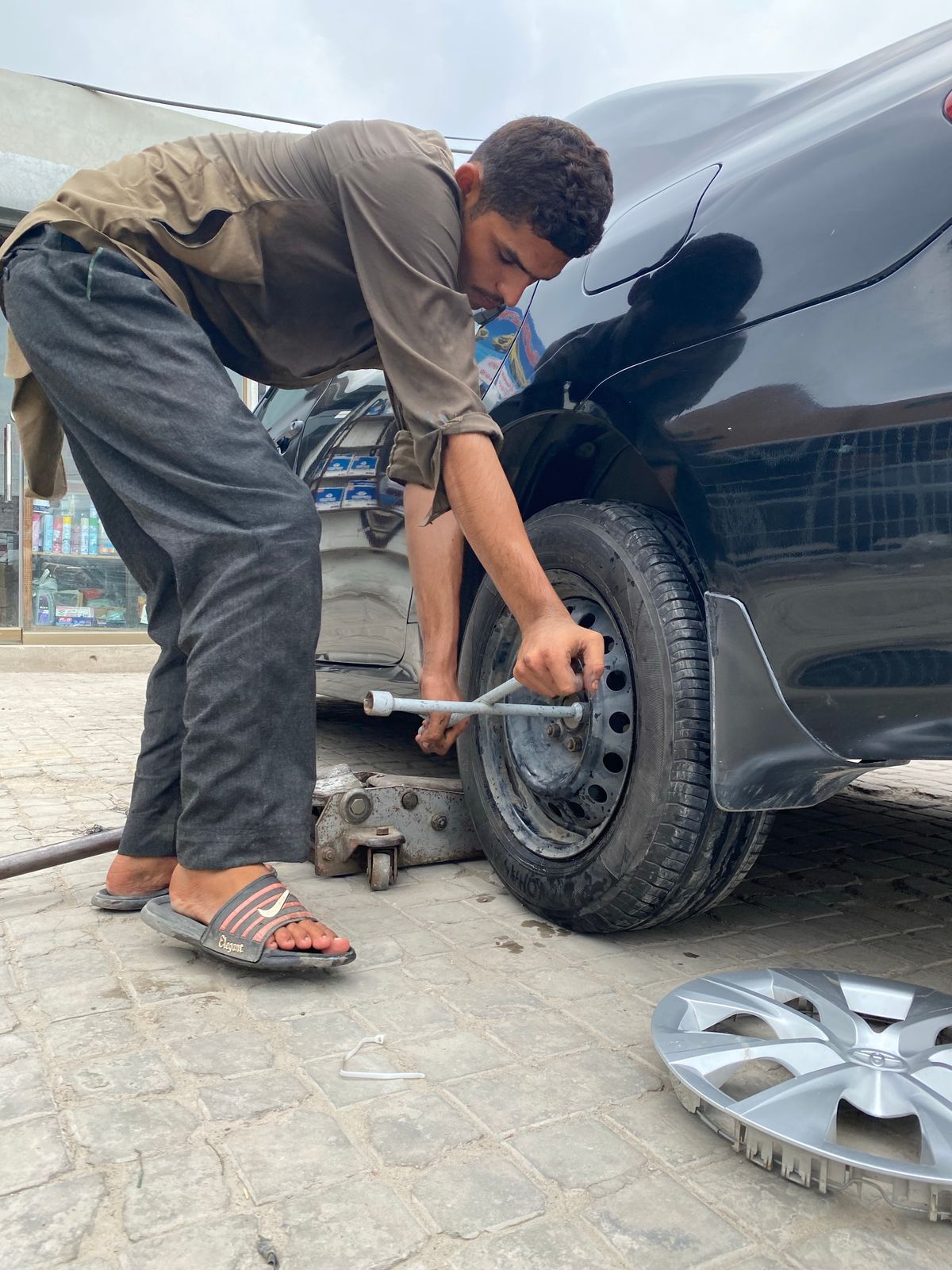
- Loosen the 17mm lug bolts, raise the car, secure it on jack stands, then remove the wheel.
- On 2009-plus models, activate electronic parking brake service mode with a scan tool before touching the rear caliper.
- Unbolt the caliper guide pins, lift the caliper off, and hang it from the spring so the hose isn't stressed.
- Slide out the old pads, unclip the wear-sensor wire, and remove the caliper bracket to free the rotor.
- Clean the hub face, mount the new rotor, then torque the bracket bolts to factory spec.
- Compress the piston, fit new pads and a new wear sensor, then reinstall the caliper.
- Torque lug bolts to about 88 lb-ft, pump the pedal firm, then bed the brakes gently.
Once diagnosis is complete, order the exact replacement parts for your vehicle - fitment matters. Related Audi A4 brake replacement products are listed in the next section.
Recommended Parts and Where to Buy
Every product below is in stock at our Circleville, OH warehouse and ships same-day when ordered before 2 PM Eastern. Free shipping on orders over $75.
If your exact vehicle is not listed, use the site search or filter the full brake parts collection by year and make.
Cost Breakdown - DIY vs Shop
| Job | DIY parts only | Shop parts and labor |
|---|---|---|
| Front pads (set) | $40-$120 | Shop pads plus labor $200-$400 |
| Front rotors (pair) | $80-$250 | Rolled into a $300-$550 job |
| Wear sensor | $10-$30 | Replace at each pad change |
| Full axle (pads+rotors) | $120-$370 DIY | $400-$700 at a shop |
DIY savings scale with vehicle size and job complexity. A full-size truck brake job saves $450-700 in labor. For most passenger cars, plan on 90-120 minutes per axle for pads only, 2-3 hours for pads plus rotors.
Install Tips - Where Most DIYers Go Wrong
- Never reuse Audi lug bolts with stretched threads; torque them in a star pattern to spec.
- On 2009-plus A4s, always enter electronic parking brake service mode first or you can damage the caliper motor.
- Grease the slide pins, fit a fresh wear sensor, and bed the new pads before any hard driving.
Frequently Asked Questions
What's the short answer on Audi A4 brake replacement?
Modern Audi A4 sedans use 5 lug bolts (5x112), vented front rotors, and usually solid rear rotors; 2009-and-newer models add an electronic parking brake that needs service-mode retraction before any rear pad change.
How much does Audi A4 brake replacement cost?
It depends on your vehicle and how much you replace. For example, front pads (set) runs about $40-$120 in parts for a DIY job, or Shop pads plus labor $200-$400 at a shop with labor included. The full cost breakdown is in the table above.
What should I check first?
Key things to check: Audi uses lug BOLTS, not nuts: 5 bolts per wheel in a 5x112 pattern, torqued to roughly 88 lb-ft (120 Nm); Front rotors are ventilated on every A4 trim; rear rotors are usually solid on the base A4 but vented on S4 and some higher-output trims.
Can I do this job myself?
Many DIYers can with basic tools. The first steps are: Loosen the 17mm lug bolts, raise the car, secure it on jack stands, then remove the wheel; On 2009-plus models, activate electronic parking brake service mode with a scan tool before touching the rear caliper; Unbolt the caliper guide pins, lift the caliper off, and hang it from the spring so the hose isn't stressed. The complete step-by-step is above.
Key Takeaways
- Modern Audi A4 sedans use 5 lug bolts (5x112), vented front rotors, and usually solid rear rotors; 2009-and-newer models add an electronic parking brake that needs service-mode retraction before any rear pad change.
- Measure friction material and rotor thickness at every tire rotation - catches wear before it becomes damage.
- Replace pads at 3 mm; below 2 mm is unsafe.
- Loaded calipers (with brackets, pads, and hoses) save 1-1.5 hours of labor per side over bare calipers.
- Bed new pads properly with 8-10 medium stops from 40 to 10 mph.
- Free shipping on orders over $75; same-day shipping on in-stock orders before 2 PM Eastern.
0 comments