

By Core Brake Parts Tech Team — Circleville, OH warehouse
Short answer: Akebono ProACT is an ultra-premium ceramic pad line from a major OE friction supplier, using application-specific Akebono Ceramic Technology (ACT) for quiet, ultra-low-dust braking and low-copper compliance. This guide walks through the exact diagnostic steps, replacement thresholds, product comparisons, and cost breakdown so you can decide with confidence whether to DIY or take it to a shop.
Direct experience note: we ship these parts daily from our Circleville, OH warehouse to customers across the country. The picks in this guide reflect what fits, what lasts, and what our repeat-buyer mechanics come back for.
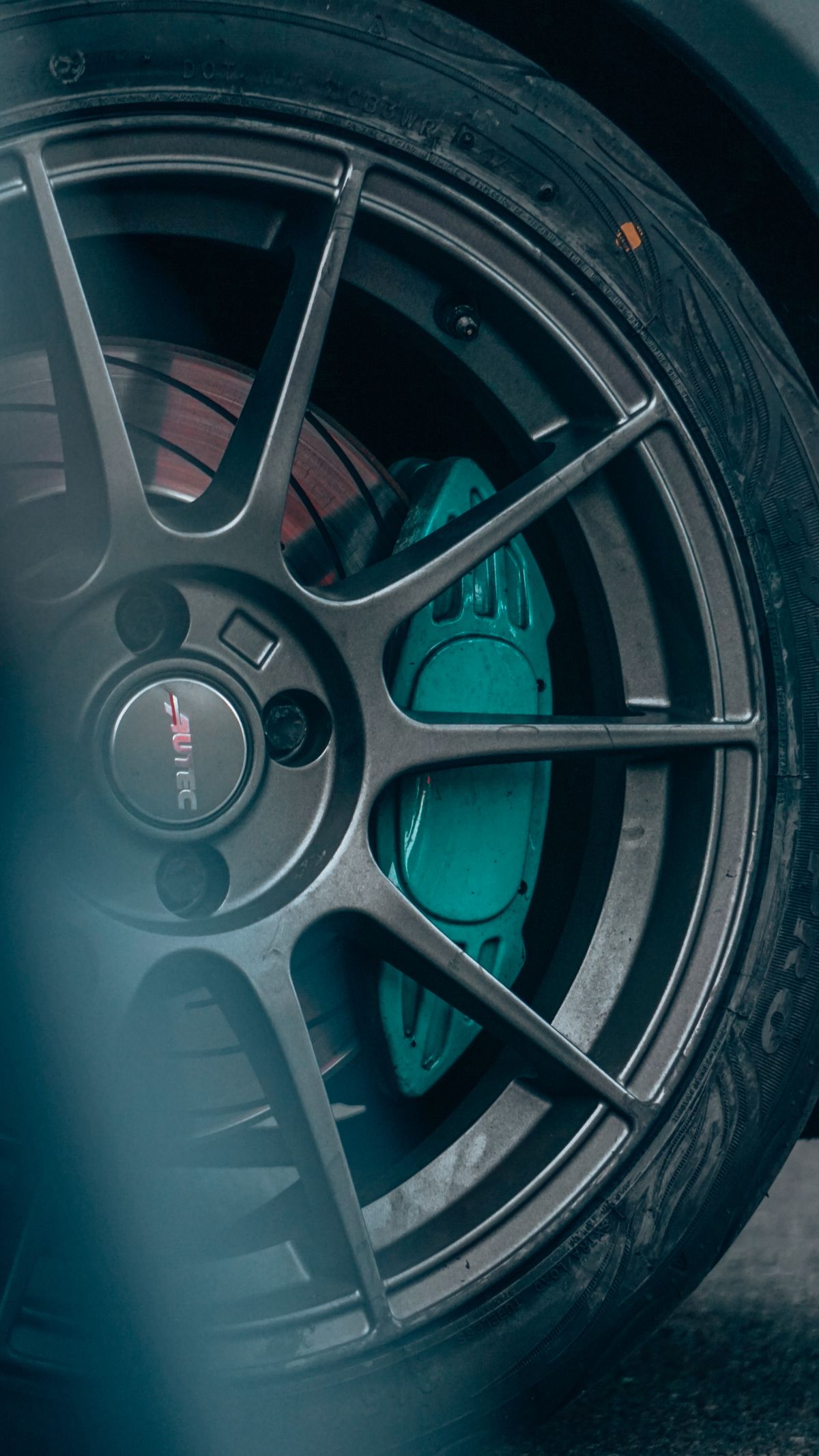
Need the part? Shop Brake Pads & Kits at Core Brake Parts
Filter by your exact year, make, and model — every part ships from our Circleville, OH warehouse, free over $75.
Shop Brake Pads & Kits →What to Know About Akebono Brake Pads
Understanding akebono brake pads matters because it directly affects stopping distance, brake pedal feel, and how often you replace consumables. Getting it right the first time saves both money and follow-up shop visits.
- Akebono is a major original-equipment friction supplier to automakers worldwide.
- ProACT stands for Akebono Ceramic Technology, the brand's proprietary ceramic formulation.
- The line is ultra-premium and application-specific, validated against original-equipment specifications.
- Ceramic material is positioned for ultra-low dust and quieter, smoother daily braking.
- Pads adhere to low-copper requirements, meeting current environmental brake regulations.
- Coverage spans hundreds of applications for domestic, Asian, and European vehicles.
Spec Chart by Vehicle Class
| Vehicle class | Pad thickness | Rotor thickness |
|---|---|---|
| Attribute | Detail | Note |
| Friction material | Ceramic (Akebono Ceramic Technology) | Application-specific formulation |
| Market tier | Ultra-premium, OE-grade aftermarket | Positioned above standard ceramic |
| Dust and noise | Ultra-low dust, quiet operation | Cleaner wheels, smoother feel |
| Copper content | Low-copper compliant | Meets environmental standards |
How to Diagnose or Replace
- Confirm your exact year, make, model, and trim before ordering.
- Match the correct Akebono ACT part number to the axle.
- Expect ceramic formulations validated against original-equipment fit and performance specifications.
- Inspect rotors for scoring and minimum thickness before fitting new pads.
- Clean caliper slide pins and lubricate contact points during installation.
- Reuse or replace abutment hardware and shims as your kit requires.
- Bed pads with moderate stops despite Akebono's no-break-in claim.
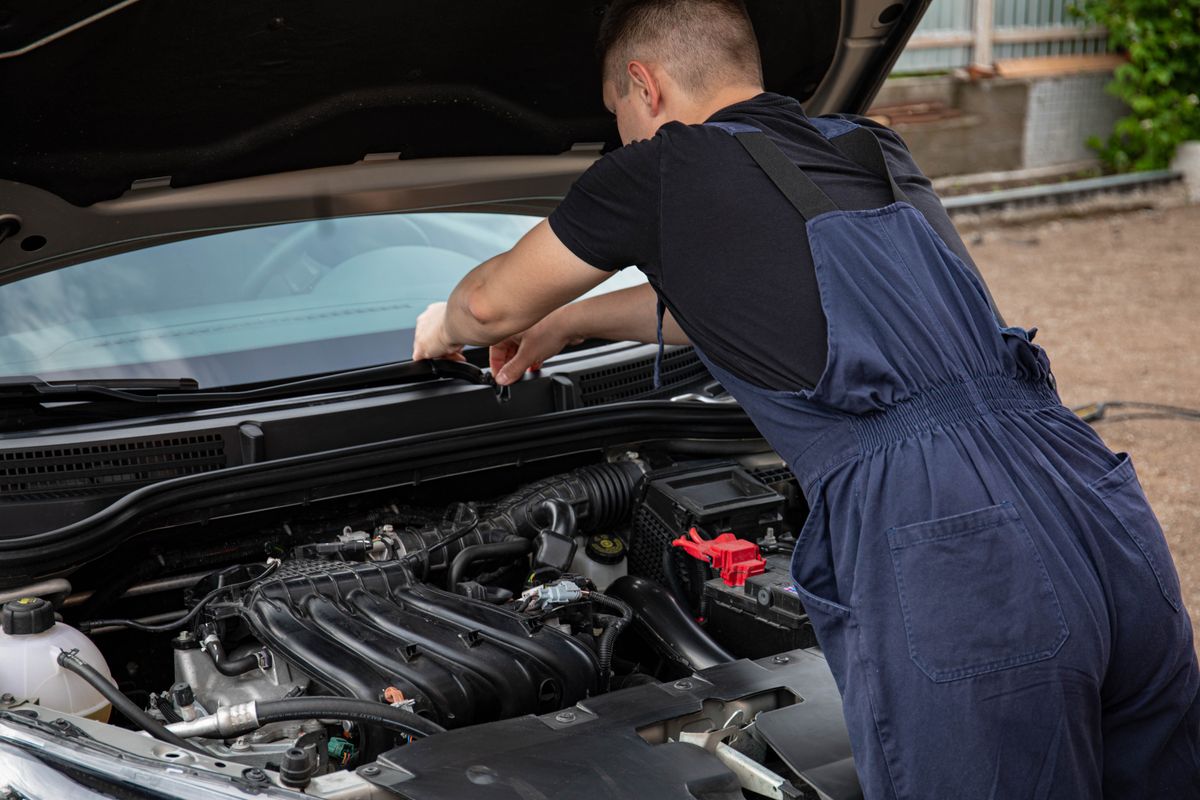
Once diagnosis is complete, order the exact replacement parts for your vehicle - fitment matters. Related akebono brake pads products are listed in the next section.
Recommended Parts and Where to Buy
Every product below is in stock at our Circleville, OH warehouse and ships same-day when ordered before 2 PM Eastern. Free shipping on orders over $75.
If your exact vehicle is not listed, use the site search or filter the full brake parts collection by year and make.
Cost Breakdown - DIY vs Shop
| Job | DIY parts only | Shop parts and labor |
|---|---|---|
| Economy cars | Front or rear set | $40-$70 |
| Midsize sedans and SUVs | Front or rear set | $55-$95 |
| Trucks and large SUVs | Front or rear set | $70-$120 |
| European models | Front or rear set | $65-$130 |
DIY savings scale with vehicle size and job complexity. A full-size truck brake job saves $450-700 in labor. For most passenger cars, plan on 90-120 minutes per axle for pads only, 2-3 hours for pads plus rotors.
Install Tips - Where Most DIYers Go Wrong
- Torque caliper bracket bolts and guide pins to the manufacturer's specification.
- Lubricate slide pins and abutment clips so pads move freely without bind.
- No burnish is required, but drive gently during the first several stops.
Frequently Asked Questions
What's the short answer on akebono brake pads?
Akebono ProACT is an ultra-premium ceramic pad line from a major OE friction supplier, using application-specific Akebono Ceramic Technology (ACT) for quiet, ultra-low-dust braking and low-copper compliance.
How much does akebono brake pads cost?
It depends on your vehicle and how much you replace. For example, economy cars runs about Front or rear set in parts for a DIY job, or $40-$70 at a shop with labor included. The full cost breakdown is in the table above.
What should I check first?
Key things to check: Akebono is a major original-equipment friction supplier to automakers worldwide; ProACT stands for Akebono Ceramic Technology, the brand's proprietary ceramic formulation.
Can I do this job myself?
Many DIYers can with basic tools. The first steps are: Confirm your exact year, make, model, and trim before ordering; Match the correct Akebono ACT part number to the axle; Expect ceramic formulations validated against original-equipment fit and performance specifications. The complete step-by-step is above.
Key Takeaways
- Akebono ProACT is an ultra-premium ceramic pad line from a major OE friction supplier, using application-specific Akebono Ceramic Technology (ACT) for quiet, ultra-low-dust braking and low-copper compliance.
- Measure friction material and rotor thickness at every tire rotation - catches wear before it becomes damage.
- Replace pads at 3 mm; below 2 mm is unsafe.
- Loaded calipers (with brackets, pads, and hoses) save 1-1.5 hours of labor per side over bare calipers.
- Bed new pads properly with 8-10 medium stops from 40 to 10 mph.
- Free shipping on orders over $75; same-day shipping on in-stock orders before 2 PM Eastern.
0 comments