

By Core Brake Parts Tech Team — Circleville, OH warehouse
Short answer: The ABS module reads all four wheel-speed sensors and pulses hydraulic valves to stop wheel lockup in hard stops. A steady amber ABS light usually flags a fault; base brakes still work, but replacement runs roughly $700-$1,500 installed. This guide walks through the exact diagnostic steps, replacement thresholds, product comparisons, and cost breakdown so you can decide with confidence whether to DIY or take it to a shop.
Direct experience note: we ship these parts daily from our Circleville, OH warehouse to customers across the country. The picks in this guide reflect what fits, what lasts, and what our repeat-buyer mechanics come back for.
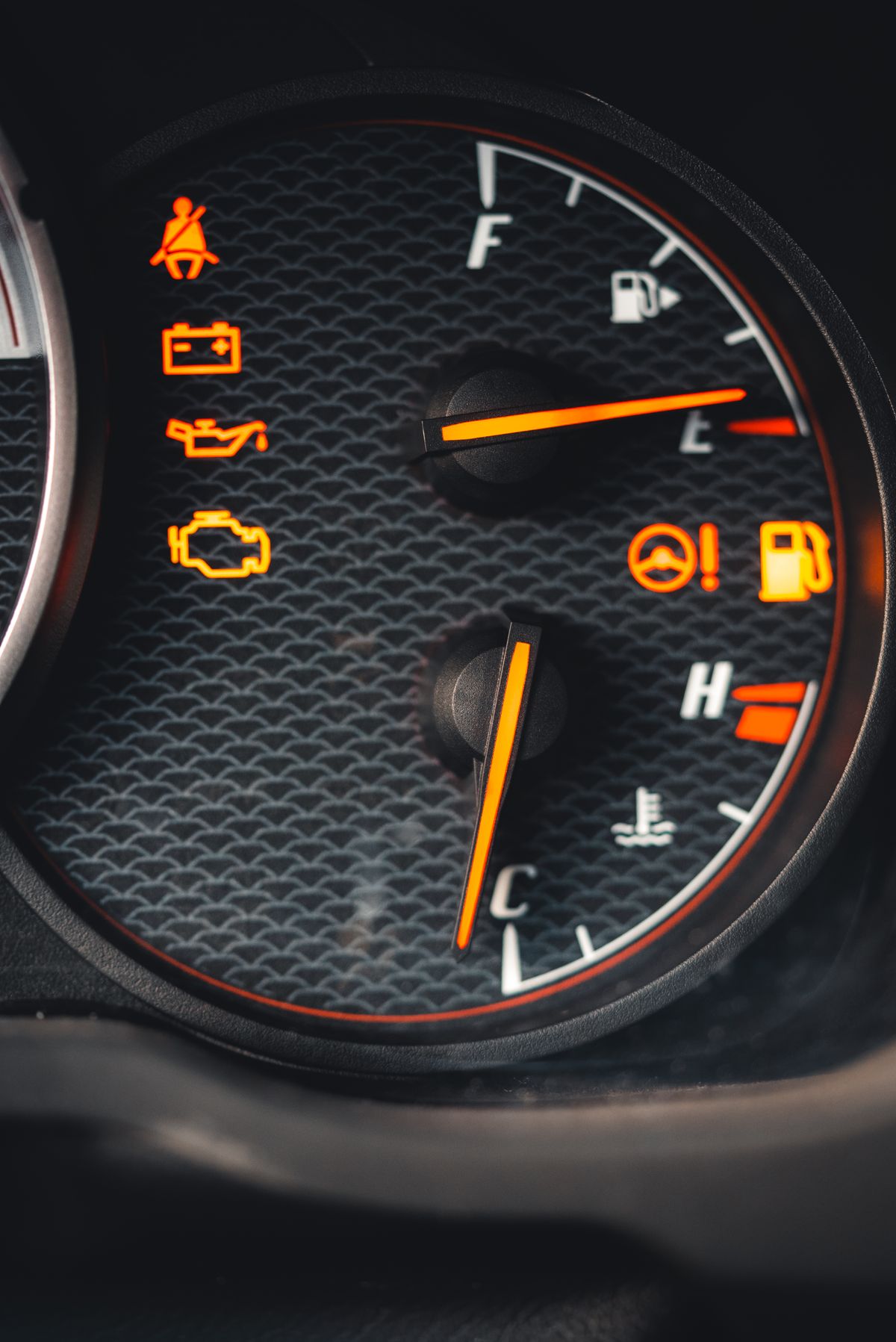
Need the part? Shop Brake Parts at Core Brake Parts
Filter by your exact year, make, and model — every part ships from our Circleville, OH warehouse, free over $75.
Shop Brake Parts →What to Know About Abs Module
Understanding abs module matters because it directly affects stopping distance, brake pedal feel, and how often you replace consumables. Getting it right the first time saves both money and follow-up shop visits.
- The ABS module (often called the EBCM) is a microprocessor that samples all four wheel-speed sensors many times per second.
- It commands inlet and outlet valves in the hydraulic control unit to release and reapply brake pressure at a slipping wheel.
- A built-in return pump sends the dumped brake fluid back toward the master cylinder during an ABS event.
- Most modern designs bolt the control module and hydraulic valve block together as one replaceable assembly.
- When ABS is disabled the amber light comes on, but normal (base) braking still functions without pulsing.
- Traction and stability control usually share this module, so those systems typically fail alongside it.
Symptoms and What They Mean
| Symptom | Likely cause | Action |
|---|---|---|
| ABS warning light stays on | Module stored a fault and switched ABS off | Scan for codes before replacing any parts |
| Traction or stability light on too | Shared module or sensor circuit fault | Confirm the cause with a scan tool |
| Wheels lock during hard braking | Valves or module not modulating pressure | Avoid hard stops and diagnose promptly |
| Brake pedal pulses abnormally | Faulty module or bad wheel-speed signal | Rule out warped rotors first |
| Speedometer cuts out intermittently | Wheel-speed data lost to the cluster | Check sensor wiring and the module |
How to Diagnose or Replace
- Confirm the ABS light is on and pull every stored code with a scan tool.
- Rule out cheaper causes such as a bad wheel-speed sensor or low brake fluid.
- Verify the exact module part number against your VIN and trim before buying.
- Disconnect the battery and relieve system pressure before opening any brake lines.
- Unbolt the old unit and cap the lines quickly to limit fluid loss.
- Install the replacement, torque the fittings to spec, and seat the electrical connector firmly.
- Bleed the system, including the ABS unit via scan tool, then road-test carefully.
Once diagnosis is complete, order the exact replacement parts for your vehicle - fitment matters. Related abs module products are listed in the next section.
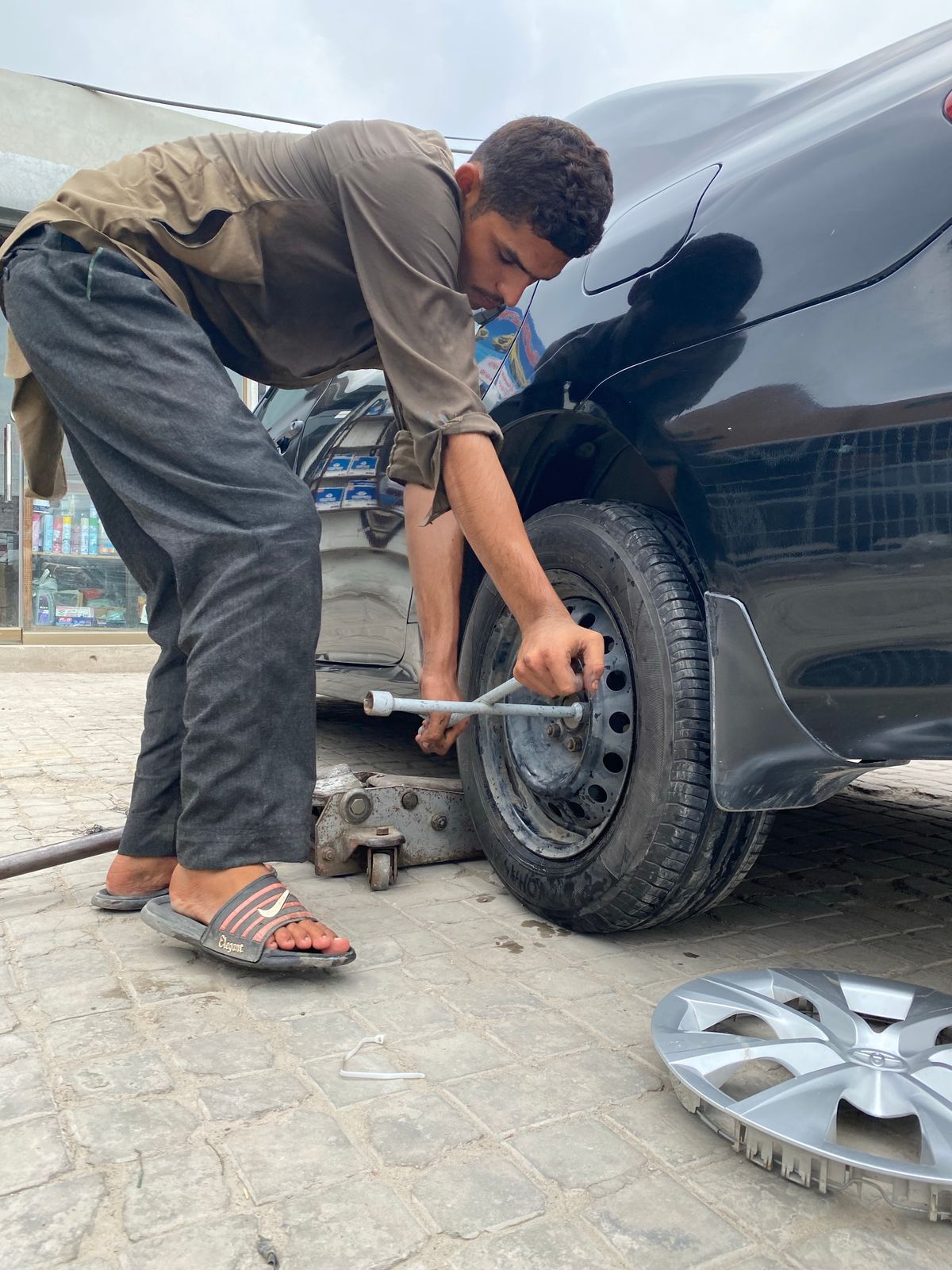
Recommended Parts and Where to Buy
Every product below is in stock at our Circleville, OH warehouse and ships same-day when ordered before 2 PM Eastern. Free shipping on orders over $75.
If your exact vehicle is not listed, use the site search or filter the full brake parts collection by year and make.
Cost Breakdown - DIY vs Shop
| Job | DIY parts only | Shop parts and labor |
|---|---|---|
| Diagnosis / scan | $40-$200 | Often credited toward the repair |
| Module rebuild service | $150-$400 | Cheaper when the part is not corroded |
| New module part alone | $200-$1,000 | Varies widely by make and model |
| Full replacement installed | $700-$1,500 | Includes labor and brake bleed |
DIY savings scale with vehicle size and job complexity. A full-size truck brake job saves $450-700 in labor. For most passenger cars, plan on 90-120 minutes per axle for pads only, 2-3 hours for pads plus rotors.
Install Tips - Where Most DIYers Go Wrong
- Record fault codes first, since a failing wheel-speed sensor can mimic a bad module.
- Bleed the ABS unit with a scan tool after any hydraulic line is opened.
- Match the exact part number, because module software must suit your specific vehicle.
Frequently Asked Questions
What's the short answer on abs module?
The ABS module reads all four wheel-speed sensors and pulses hydraulic valves to stop wheel lockup in hard stops. A steady amber ABS light usually flags a fault; base brakes still work, but replacement runs roughly $700-$1,500 installed.
How much does it cost to fix?
It depends on your vehicle and how much you replace. For example, diagnosis / scan runs about $40-$200 in parts for a DIY job, or Often credited toward the repair at a shop with labor included. The full cost breakdown is in the table above.
What are the warning signs?
Common warning signs include abs warning light stays on (module stored a fault and switched abs off); and traction or stability light on too (shared module or sensor circuit fault). If you notice these, inspect the brakes promptly.
Can I do this job myself?
Many DIYers can with basic tools. The first steps are: Confirm the ABS light is on and pull every stored code with a scan tool; Rule out cheaper causes such as a bad wheel-speed sensor or low brake fluid; Verify the exact module part number against your VIN and trim before buying. The complete step-by-step is above.
Key Takeaways
- The ABS module reads all four wheel-speed sensors and pulses hydraulic valves to stop wheel lockup in hard stops. A steady amber ABS light usually flags a fault; base brakes still work, but replacement runs roughly $700-$1,500 installed.
- Measure friction material and rotor thickness at every tire rotation - catches wear before it becomes damage.
- Replace pads at 3 mm; below 2 mm is unsafe.
- Loaded calipers (with brackets, pads, and hoses) save 1-1.5 hours of labor per side over bare calipers.
- Bed new pads properly with 8-10 medium stops from 40 to 10 mph.
- Free shipping on orders over $75; same-day shipping on in-stock orders before 2 PM Eastern.
0 comments